
Bodrum Ancient Theatre: History and Visitor Guide
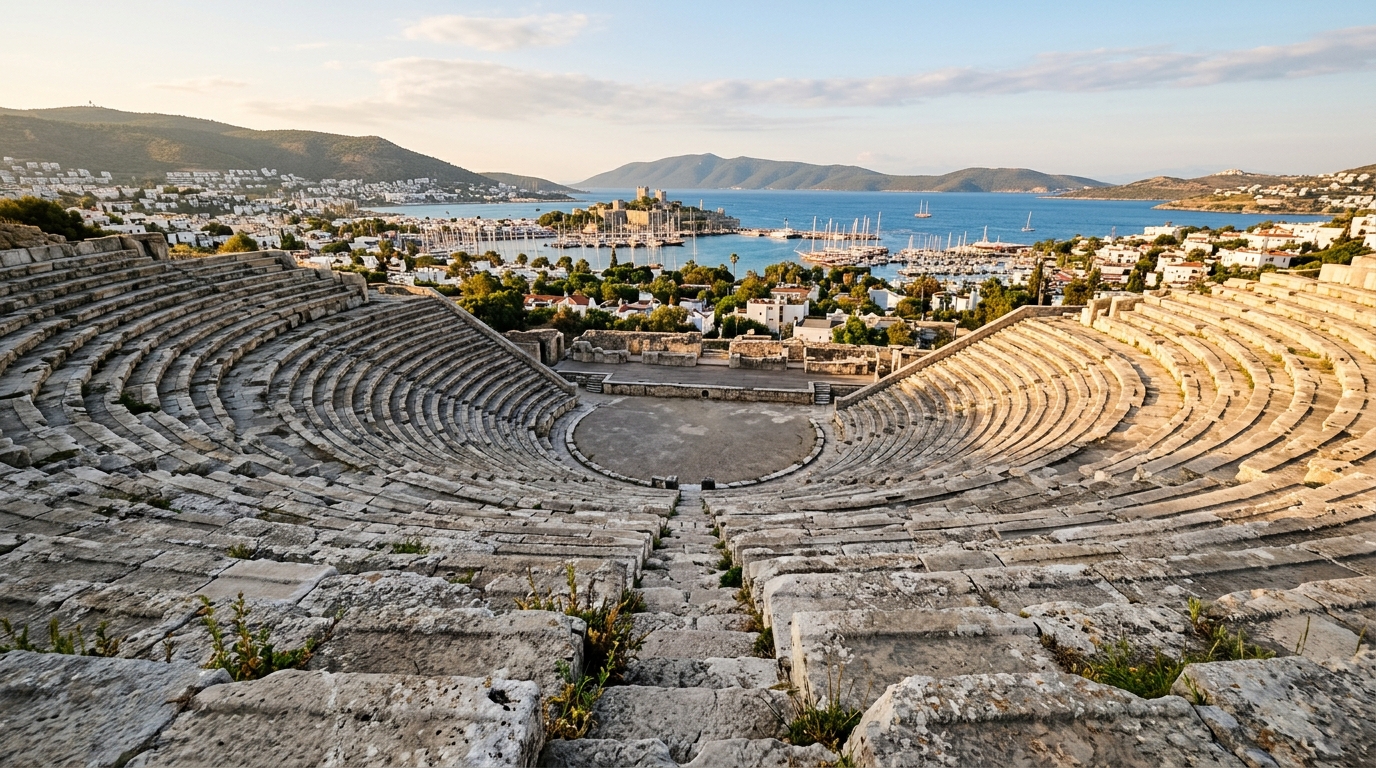
Carved into the slope of Göktepe hill above Bodrum Castle, the ancient theatre of Halicarnassus has watched over the bay for more than two thousand years. Here's what to know before you climb its stone rows.
An Older Monument Than the Mausoleum Itself
Most visitors come to Bodrum for the castle and the harbor, then discover almost by accident that the town has a full-sized Greek theatre tucked into the hillside just a short walk inland. The Bodrum Ancient Theatre was built during the reign of Mausolus, the Carian satrap who ruled Halicarnassus in the 4th century BC, which means it actually predates his own famous tomb, the Mausoleum, by several decades.
At the time, Halicarnassus was Mausolus's new capital, rebuilt as a showcase city with wide streets, temples, a palace, and this theatre carved directly into the natural slope of Göktepe hill. Choosing a hillside site was standard Greek practice: it saved on construction and gave the audience a natural, tiered viewing angle without needing to build up a full freestanding structure.
Life Under Roman Rule
The theatre didn't stop being useful when Halicarnassus later came under Roman control. Like many Greek theatres across Anatolia, it was adapted and partly rebuilt by the Romans, who enlarged the performance area and adjusted parts of the seating to suit their own taste for gladiatorial displays and public spectacles alongside traditional drama. Traces of these later modifications are still visible if you look closely at the stonework near the stage area, where Roman-era additions sit next to the original Hellenistic construction.
Through the centuries that followed, the site slipped into obscurity along with the rest of ancient Halicarnassus. Earthquakes, stone-robbing for later buildings, and simple neglect took their toll, but the natural hillside setting protected the basic shape of the cavea far better than a flat-ground theatre would have survived.
Architecture and Scale
The theatre's semicircular seating area, or cavea, is built in tiers of local stone rising up the slope, split by staircases that let ancient spectators move between rows. Estimates of its original capacity generally fall in the range of 10,000 to 13,000 people, which is a strikingly large number for a city of Halicarnassus's size and tells you how central public performance was to civic life here.
Unlike some ruined theatres in Turkey where you have to squint to imagine the layout, Bodrum's theatre reads clearly on sight. You can walk up through the seating tiers, stand where the stage building once stood, and look back down at the orchestra, the round performance space where the chorus would have stood in Greek productions.
The View Is Part of the Experience
What sets this theatre apart from many other ancient venues is the backdrop. From the upper rows, you look straight down over Bodrum's white buildings, the marina, and Bodrum Castle sitting on its promontory in the bay. It's a genuinely useful reminder that Greek theatre builders thought about scenery as well as acoustics — audiences here would have watched plays with the sea as a permanent stage set.
Photographers tend to visit in the early morning or a couple of hours before sunset, when the light comes in low across the stone and the castle and harbor are easier to pick out clearly in photos taken from the top tiers.
A Working Venue Again
The theatre isn't just a static ruin. It has been used periodically for open-air concerts and cultural performances, echoing its original purpose in a modest way. If you're planning a trip and want to catch something happening on site, it's worth checking the calendar of Events in Bodrum before you travel, since programming changes from year to year and isn't fixed on a permanent schedule.
Visiting Tips
The site sits on a hillside a short uphill walk from the town center and Bodrum Castle, close enough that most visitors combine the two in a single outing. Wear proper shoes rather than sandals, since the ancient stone steps are uneven and can be slippery when worn smooth by centuries of foot traffic.
There's limited shade once you're inside the theatre bowl, so a hat and water are worth carrying, especially if you're visiting in the middle of the day during summer. Mornings tend to be quieter and cooler, which also makes for calmer photos without a lot of people cutting across the seating rows.
Getting There
Independent travelers usually walk up from the harbor area or take a short taxi ride from their hotel, since the theatre lies within easy reach of central Bodrum. If you're arriving from the airport, arranging Airport Transfers directly to your accommodation is the simplest way to start your stay, and from there the theatre and castle are both walkable or a quick local ride away.
Those who prefer a guided approach can also find the theatre included on several half-day itineraries covering Bodrum's ancient sites; browsing Tours & Activities is a good way to see what's currently on offer if you'd rather have context from a local guide than read plaques on your own.
Pairing the Theatre with the Rest of Ancient Halicarnassus
The theatre works well as one stop on a short walking loop around Bodrum's classical remains. Bodrum Castle, built later by the Knights Hospitaller partly from stones taken from the Mausoleum, sits just below on the waterfront. The scant remains of the Mausoleum itself are a short walk further into town, and together the three sites give a reasonably complete picture of how the ancient city was laid out, from acropolis-adjacent hillside down to the harbor.
If you're staying more than a night or two, it's worth building this into a slower first day, saving beach time for the afternoon once the midday heat has eased. Many properties listed under Bodrum Hotels sit within easy reach of the town center, which makes an early theatre visit followed by breakfast in town a realistic plan rather than a rushed one.
Frequently Asked Questions
How old is the Bodrum Ancient Theatre?
The theatre dates back to the 4th century BC, built during the reign of Mausolus, which makes it older than the Mausoleum of Halicarnassus itself. It was later modified during the Roman period, adding another layer to its long history.
How many people could the theatre hold?
Estimates generally place the original seating capacity somewhere between 10,000 and 13,000 spectators. That's a large audience for the era and reflects how important public performance was in Halicarnassus.
Is the theatre still used for performances today?
Yes, on occasion the site hosts open-air concerts and cultural events, though this isn't a fixed year-round schedule. Checking local event listings ahead of your trip is the best way to find out what's planned.
How far is the theatre from Bodrum Castle?
The theatre sits on the hillside just inland from the castle and harbor, close enough to reach on foot in a matter of minutes. Most visitors combine both sites in the same walk around central Bodrum.
Do I need a guide to visit?
A guide isn't essential since the theatre's layout is easy to understand on your own, but a local guide can add useful context about Mausolus, Halicarnassus, and the later Roman changes. Joining an organized tour is a convenient option if you're short on time or prefer not to research the history yourself.
İlgili Yazılar
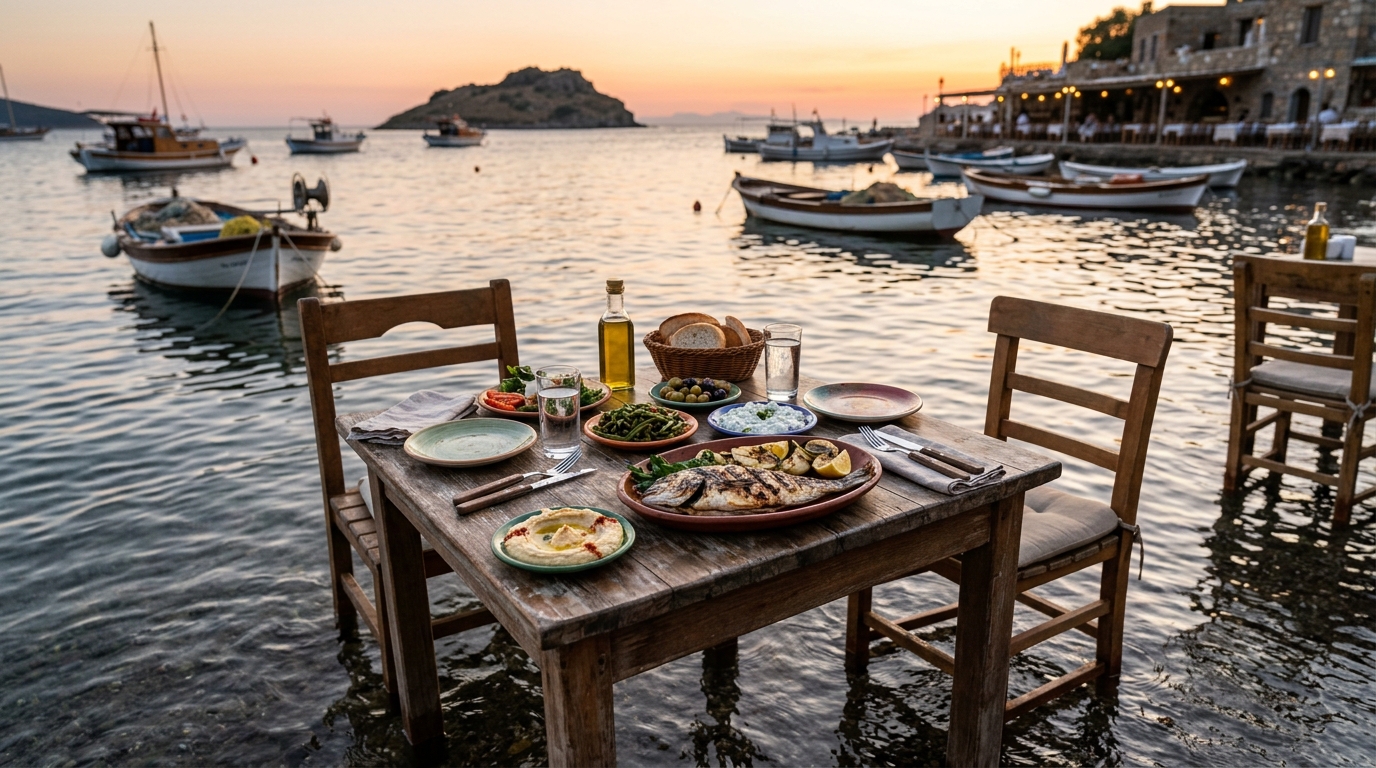
Best Restaurants in Bodrum: A Local's Table Guide
Bodrum's dining scene ranges from plastic-chair fish shacks in fishing villages to Michelin-starred tasting menus twenty minutes away. This guide maps the peninsula's best restaurants by mood and neighborhood, the way locals actually think about eating out.
Read More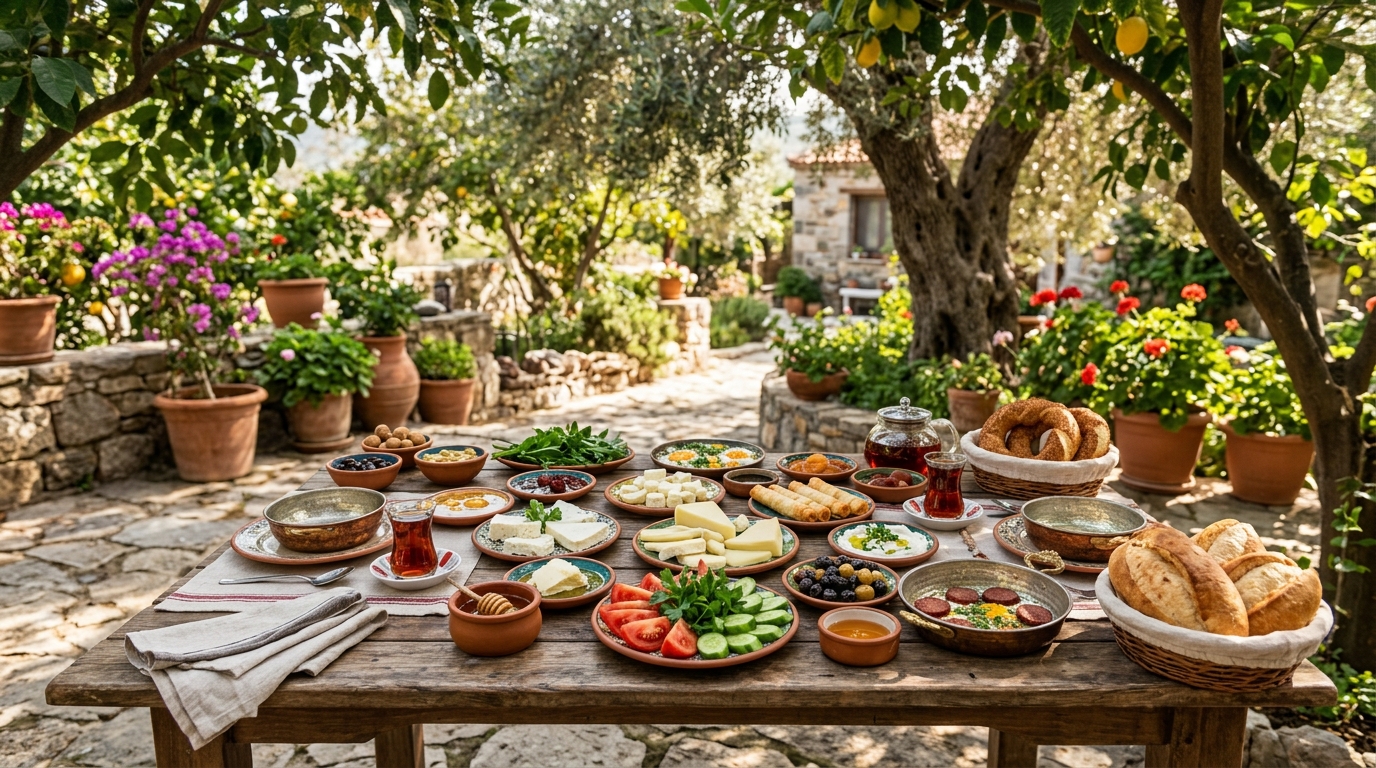
Best Breakfast in Bodrum: A Local's Kahvaltı Guide
Breakfast in Bodrum is a slow, shared ritual rather than a quick meal, with dozens of small plates spread across the table. From orchard gardens in Bitez to village farmhouses inland and marina-side cafés in town, here's a local's guide to the peninsula's best kahvaltı spots.
Read More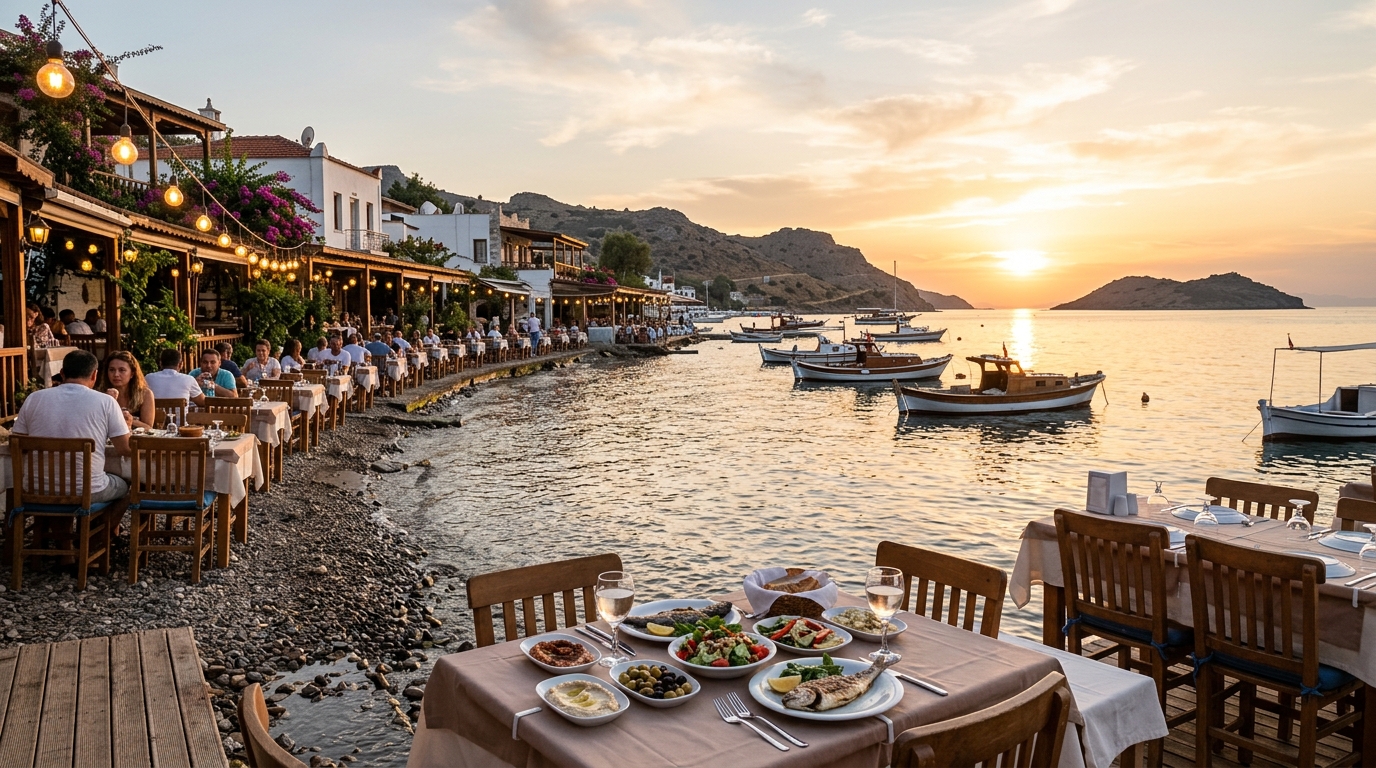
Where to Eat Fish in Gümüşlük: A Local's Guide
Gümüşlük's identity is built around the sea, and its restaurants prove it every evening. Here's a local's guide to the peninsula's favorite fishing village, from waterfront classics to budget-friendly alternatives.
Read More