
Bodrum Museum of Underwater Archaeology: Full Guide
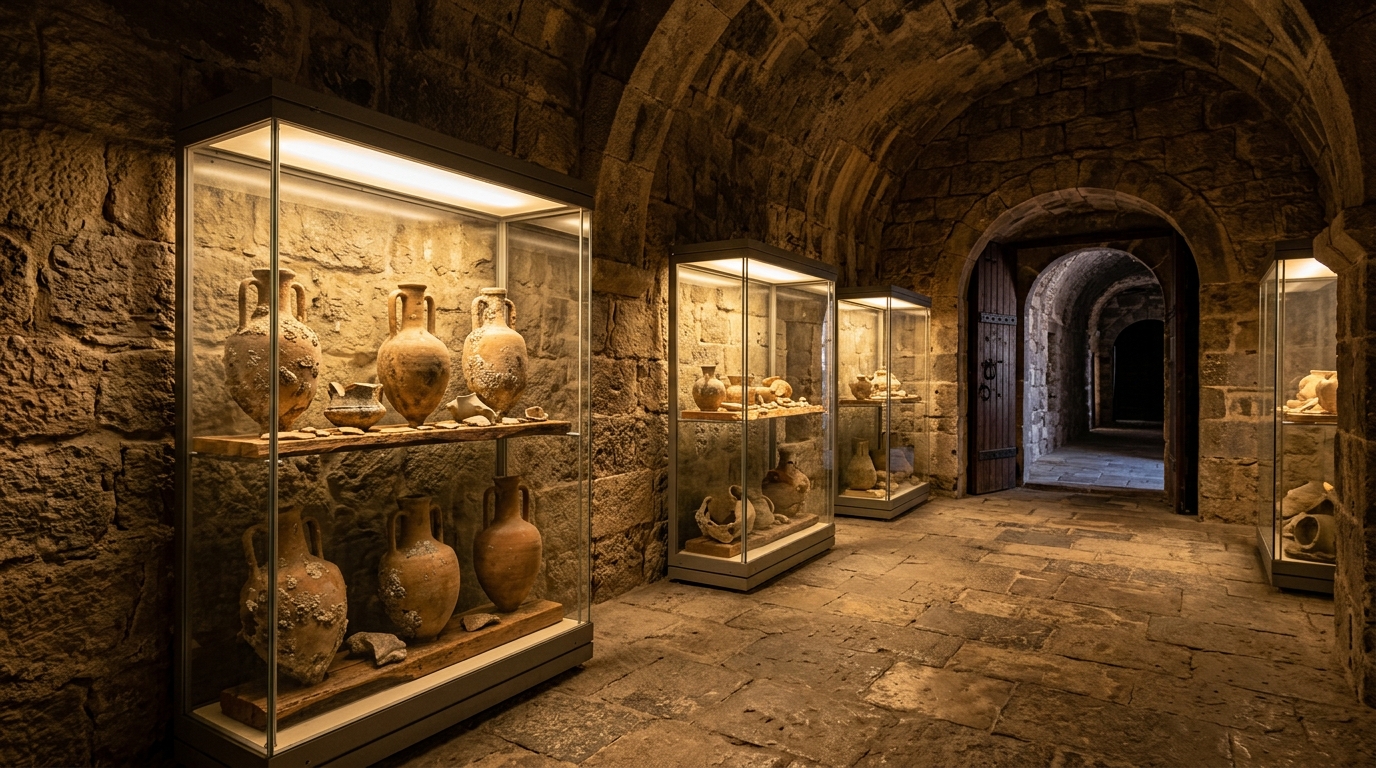
Inside Bodrum Castle lies the Museum of Underwater Archaeology, home to the world's richest collection of Eastern Mediterranean shipwrecks. From 3,000-year-old Bronze Age cargo to a Byzantine glass wreck, this fortress-turned-museum offers a rare blend of history and adventure.
If there is one stop in Bodrum that turns a beach holiday into something closer to a history lesson you'll actually remember, it's the Museum of Underwater Archaeology inside Bodrum Castle. This isn't a museum of dusty labels and roped-off cases — it's a working fortress, built by Crusader knights, that happens to hold the best collection of shipwreck cargo anywhere in the eastern Mediterranean. Walking its towers and stone stairways, you go from castle battlements with harbor views to darkened glass halls glowing with 3,000-year-old cargo in the space of a few minutes.
A Castle That Became a Museum
Bodrum Castle was built in the 15th century by the Knights of St. John over the remains of an earlier Byzantine and Turkish castle. For centuries it served a purely military purpose, but with the Ottoman conquest of Rhodes in 1522, the Knights of St. John eventually lost their foothold in the region, and Bodrum Castle fell into Ottoman hands, seeing various uses over the following centuries, including a prison and a military garrison. By the early 20th century the fortress had fallen into disrepair — after the Italian army left the fortress in 1921, it was abandoned for about 40 years.
The turning point came with the rise of sponge diving off Bodrum's coast, which kept bringing ancient amphorae and other artifacts up from the seabed. The first historical objects extracted from the sea were placed within the castle grounds, including ancient amphorae found by sponge divers and exhibits obtained by pioneers of underwater archaeology — Peter Throckmorton, Mustafa Kapkin, and Honor Frost — during their underwater research in 1958. In 1962, an official decision was made to use the castle as a huge museum facility, and the restored St. Peter's Castle opened its doors to visitors on November 6, 1964. Initially the institution was simply called the Bodrum Museum, but in 1981 this was changed to the Museum of Underwater Archaeology, the name it carries today.
The museum's reputation grew quickly on the international stage. In 1995, it was among the twelve finalists for the European Museum of the Year Award and received the Special Recommendation Certificate as an honour. Three decades later, after a substantial modernization effort, it was back in the running: its inclusion in the 2025 European Museum of the Year Award nomination came after the successful completion of a major restoration project in 2021, which included the conservation of cultural heritage and artifacts alongside the renovation of exhibition halls. The result is a museum that feels genuinely current rather than frozen in the 1960s — thoughtful lighting, updated interpretive panels, and a clearer route through the castle's many rooms and towers.
What You'll Actually See Inside
The museum spreads across the whole castle complex rather than sitting in a single building. Having 14 exhibition halls, the Bodrum Underwater Archeology Museum has the richest collection of Eastern Mediterranean amphorae in the world. Several of these halls are built around individual shipwrecks, each telling a different chapter of Aegean trade history.
The Glass Wreck Hall
This is one of the most atmospheric spaces in the museum. It houses the remains of a Byzantine vessel that sank off Serçe Harbor. This shipwreck, exhibited in the Serçe Harbor Glass Wreck Hall, is the ship itself that sank in 1025, and three tons of broken and solid glass materials were taken out of it. The display technique makes the hall memorable: the glass relics are collected in dark exhibition cabinets, with only a shimmer at the bottom allowing visitors to better appreciate the patterns and colors of the glass.
The Uluburun Shipwreck Gallery
This gallery covers the oldest and arguably most significant find in the museum. The Uluburun Shipwreck Gallery was established in 1999 and houses the wreck found between 1984 and 1995. The ship itself dates back roughly 3,000 years — this Bronze Age vessel found at Uluburun was carrying gifts from the Egyptian pharaoh to the Hittite emperor, and its cargo of copper ingots, ivory, and gold jewelry gives a rare, tangible sense of just how far international trade networks reached in the Late Bronze Age.
The Gallery of the Carian Princess
This is another highlight and a change of pace from shipwreck cargo. It's designed in the form of a ceremonial room of the Carian period and houses the sarcophagus of Queen Ada, who loved Alexander the Great like her own son. Facial reconstruction work carried out at Manchester University in England has allowed the queen to be presented to visitors dressed in her best clothes, which makes this one of the more personal, human-scale rooms in the museum after so many halls devoted to ships and cargo.
Beyond these headline exhibits, the castle's towers each hold their own story. The German and English towers house the majority of the artifacts, and the English Tower, constructed in 1415 and restored in 1980, now houses a striking example of modern museology. The museum also displays wrecks from Yassıada and Şeytan Deresi (Devil Creek), alongside the Serçe Harbor Byzantine wreck, giving a genuinely broad sweep from antiquity through the Byzantine era.
Don't rush past the castle itself while chasing the display halls. Walking the ramparts is part of the experience — as you walk around the ramparts you can admire the view of the sea and town, the artefacts from the sea wrecks, and the inscriptions telling the story of the construction of the castle by the Order of St. John, and some rooms even retain graffiti carved by soldiers centuries ago. It's a rare combination: a serious archaeological collection housed inside a monument that's just as worth seeing on its own terms.
Planning Your Visit
The museum and the castle are sold as a single ticketed experience — you don't buy separate admission for one or the other. Pricing and hours are periodically adjusted, so it's worth checking the official Turkish museums e-ticket platform shortly before you go rather than relying on older printed guides. As a general guide to expect, standard admission has recently been listed around the €20 mark for the combined castle and museum ticket, with online e-ticket purchase available alongside on-site sales.
Give yourself real time here rather than treating it as a quick photo stop. Give yourself 1.5-2 hours for the museum at a minimum, and if you want to properly explore the ramparts and towers as well, plan for closer to half a day, especially in the warmer months when you'll want to move slowly between shaded rooms. Many of the exhibition rooms are air-conditioned, which is a genuine relief if you're visiting in peak summer heat, though the open courtyards and rampart walks are still exposed to the sun.
The museum sits right on Bodrum's harbor, within easy walking distance of the marina, the bazaar, and most central Bodrum Hotels, so it pairs naturally with a wander through the old town or a coffee overlooking the yachts afterward. If you're arranging your trip from the airport, sorting out Airport Transfers in advance makes the logistics easier, and many visitors combine the museum with other Tours & Activities around the peninsula. Wear comfortable shoes — the castle's stone stairways and uneven passages are part of its character, but they're not especially forgiving in sandals.
Frequently Asked Questions
Is the Museum of Underwater Archaeology the same as Bodrum Castle?
Yes, functionally. The museum occupies the towers, halls, and courtyards of Bodrum Castle (also known historically as the Castle of St. Peter), and a single ticket covers both the fortress and its exhibition halls.
How much time should I set aside?
Most visitors need at least an hour and a half to two hours just for the exhibition halls, and longer if you also want to walk the ramparts and explore the towers at a relaxed pace.
What is the single most important artifact to look for?
The Uluburun shipwreck cargo is generally considered the museum's centerpiece, given its age and the extraordinary range of goods it was carrying between Bronze Age civilizations. The Glass Wreck hall and the Carian Princess gallery are close runners-up for most memorable displays.
Has the museum recently been renovated?
Yes. A major restoration completed in 2021 updated the exhibition halls and conservation facilities, and the museum was subsequently nominated for the 2025 European Museum of the Year Award in recognition of that work.
Is it suitable for children?
Generally yes — the ship reconstructions, treasure displays, and castle setting tend to hold children's attention better than a conventional museum, though some of the darker glass-display rooms and narrow tower stairways are worth supervising closely with younger kids.
İlgili Yazılar
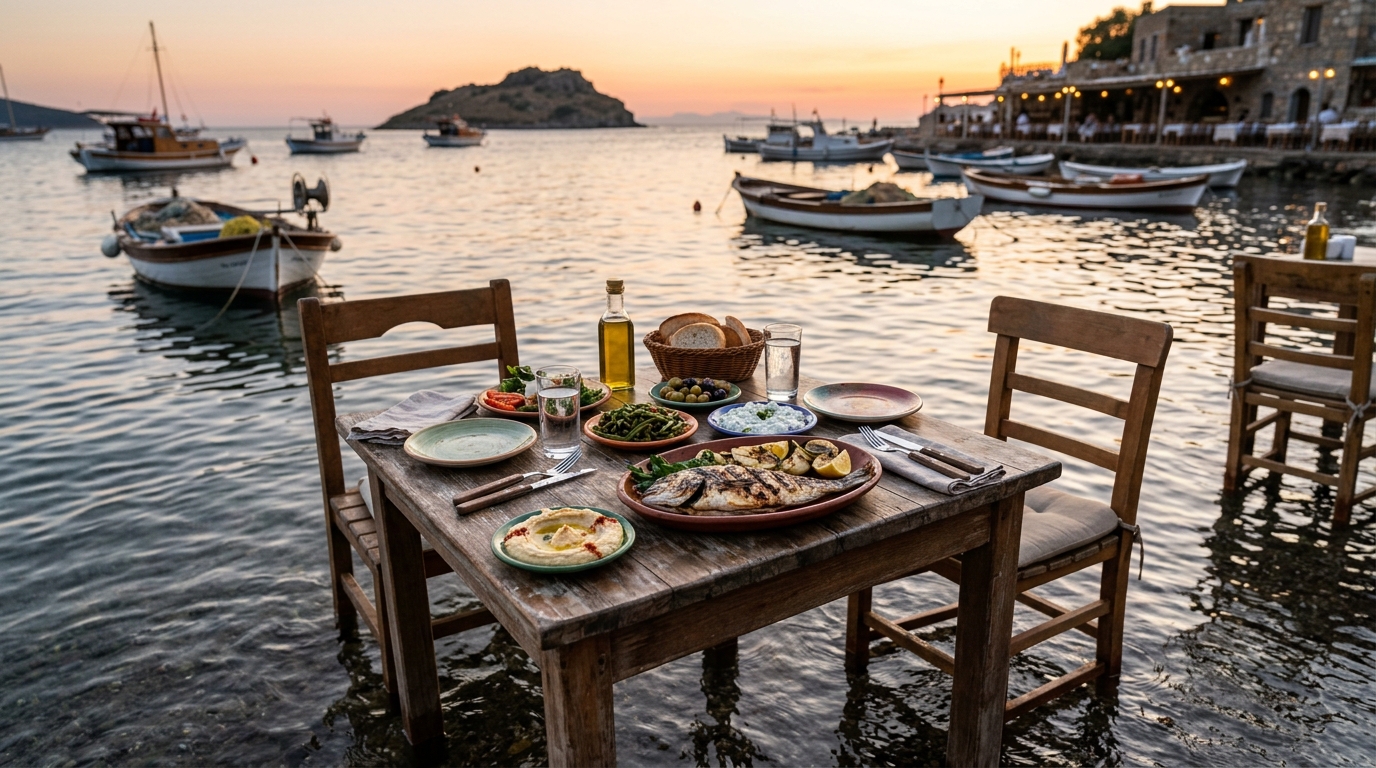
Best Restaurants in Bodrum: A Local's Table Guide
Bodrum's dining scene ranges from plastic-chair fish shacks in fishing villages to Michelin-starred tasting menus twenty minutes away. This guide maps the peninsula's best restaurants by mood and neighborhood, the way locals actually think about eating out.
Read More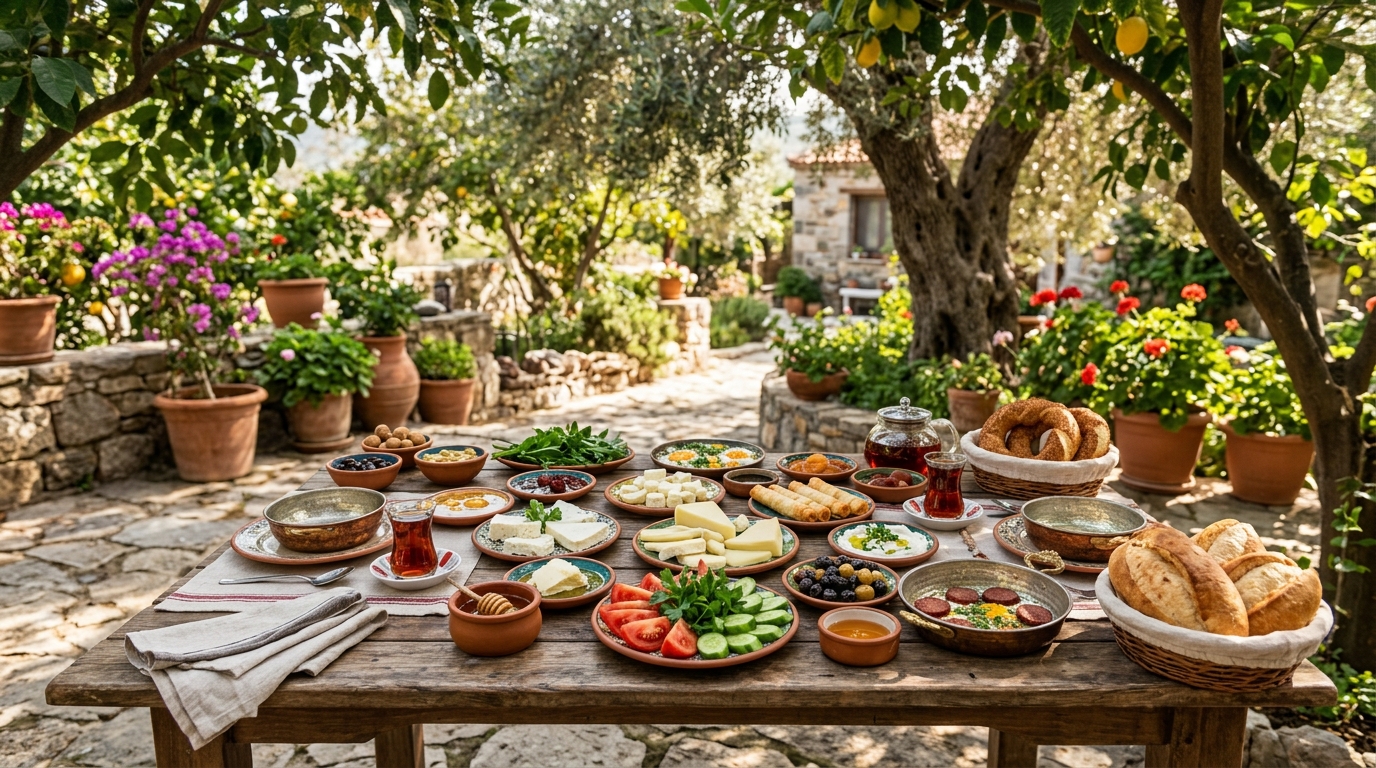
Best Breakfast in Bodrum: A Local's Kahvaltı Guide
Breakfast in Bodrum is a slow, shared ritual rather than a quick meal, with dozens of small plates spread across the table. From orchard gardens in Bitez to village farmhouses inland and marina-side cafés in town, here's a local's guide to the peninsula's best kahvaltı spots.
Read More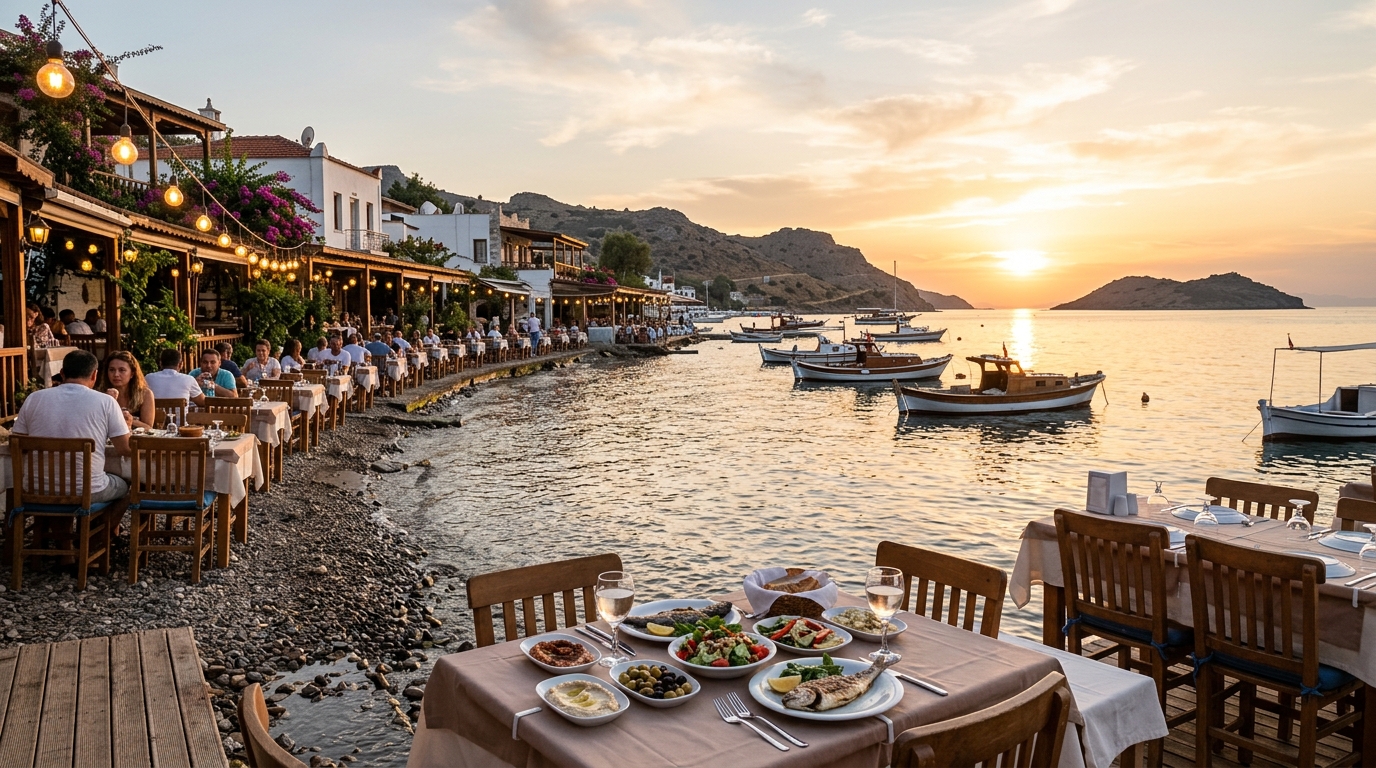
Where to Eat Fish in Gümüşlük: A Local's Guide
Gümüşlük's identity is built around the sea, and its restaurants prove it every evening. Here's a local's guide to the peninsula's favorite fishing village, from waterfront classics to budget-friendly alternatives.
Read More