
Mausoleum at Halicarnassus: Bodrum's Ancient Wonder
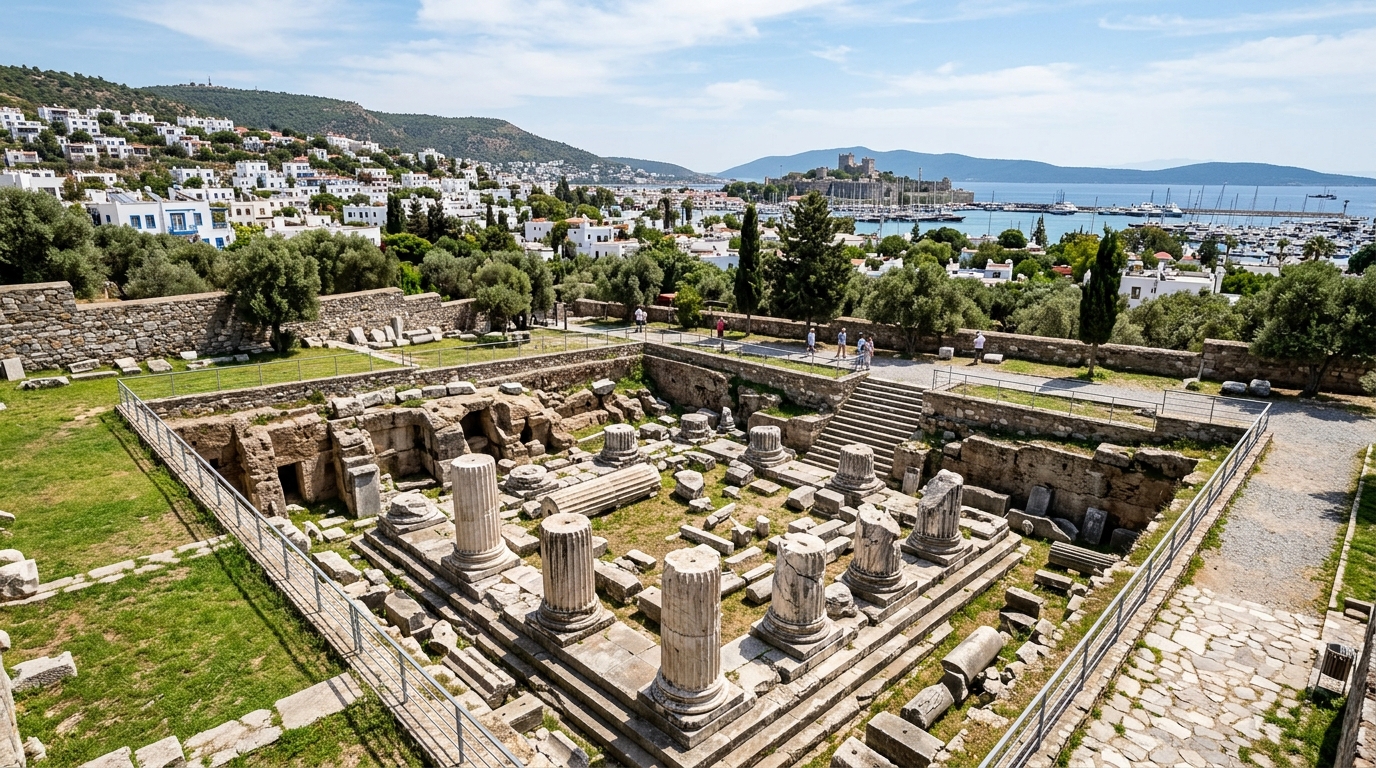
Long before Bodrum Castle rose over the harbor, a tomb so extraordinary it became one of the Seven Wonders of the Ancient World stood on this same ground. Here's the story of the Mausoleum at Halicarnassus and what remains of it today.
Who Was Mausolus, and Why Build Such a Tomb?
In the mid-4th century BC, the city of Halicarnassus was the capital of Caria, a region under Persian rule but governed locally by a satrap named Mausolus. He moved his capital here from Mylasa (modern Milas) and set about transforming the city into a showcase of wealth and Greek-influenced culture, complete with a fortified harbor, wide streets, and grand public buildings.
When Mausolus died around 353 BC, his wife and sister, Artemisia II, took over as ruler and pressed on with a tomb project he had likely started planning himself. The result was so monumental and so unlike any tomb before it that the structure's name eventually became the generic word we still use: mausoleum.
An Architectural Hybrid: Greek Columns, Egyptian Pyramid, Anatolian Scale
The Mausoleum was designed by the architects Satyros and Pythius, and ancient sources describe a building roughly 45 meters high, arranged in three distinct tiers. A tall stepped podium formed the base, above which stood a colonnade of Ionic columns, and the whole structure was capped by a stepped pyramid roof.
At the very top stood a marble quadriga, a four-horse chariot, believed to have carried statues of Mausolus and Artemisia themselves. This blending of a Lycian-style stepped platform, Greek colonnade, and Egyptian-inspired pyramid was unusual for its time, and it's part of why ancient writers, including Pliny the Elder, ranked it among the Seven Wonders of the Ancient World.
Four Sculptors, One Building
What made the Mausoleum especially famous in antiquity was its sculptural decoration. According to Pliny, four of the most celebrated sculptors of the Greek world each took responsibility for one side of the building: Scopas, Leochares, Bryaxis, and Timotheus.
Friezes running around the structure depicted scenes from Greek mythology, including battles between Greeks and Amazons, a subject popular in Carian and Ionian art of the period. Fragments of these reliefs, along with a colossal statue believed to represent Mausolus, survived the building's collapse and are now among the highlights of the Greek and Roman galleries at the British Museum in London.
From Wonder to Ruin: Earthquakes and the Knights of St. John
The Mausoleum stood largely intact for over 1,500 years, remarkable longevity for an ancient monument. A series of earthquakes between the 12th and 15th centuries gradually brought the upper sections down, and by the time the Knights Hospitaller arrived to build their castle at Bodrum in the early 1400s, much of the structure was already in ruins.
The Knights, ever practical, quarried the fallen and toppled marble blocks to build and reinforce the Castle of St. Peter, which still dominates Bodrum's harbor today. Some carved fragments were reportedly built directly into the castle walls, where a few can still be spotted by visitors who know what to look for.
Rediscovery: Charles Newton and the 19th-Century Excavations
By the 1850s, the exact location of the Mausoleum had become uncertain, buried under later construction and centuries of debris. The British archaeologist Charles Newton, working for the British Museum, identified the site and led excavations between 1856 and 1858, uncovering the foundation platform, sections of the stepped roof, fragments of the frieze, and pieces of the quadriga sculpture.
Newton shipped much of what he found back to London, which is why the largest collection of Mausoleum sculpture today sits in the British Museum rather than in Bodrum. It's a point of some regret for Turkish archaeologists and visitors alike, though the excavation also preserved material that might otherwise have been lost to later quarrying or urban development.
Visiting the Site Today
The archaeological site sits in the middle of modern Bodrum town, a short walk uphill from the harbor and Bodrum Castle, tucked between residential streets. What remains is mostly the excavated foundation pit, a sunken rectangular area showing the base of the tomb, along with scattered column drums, staircases cut into the rock, and a small on-site museum with models and information panels reconstructing how the building likely looked.
It's a modest site compared to the grandeur described by ancient writers, and first-time visitors sometimes find it underwhelming if they're expecting standing columns or dramatic ruins. The real value is in what it represents: the ground where one of antiquity's most celebrated buildings actually stood, and the chance to piece together its story using the models, the castle's recycled stones, and a bit of imagination.
Many visitors combine the Mausoleum with a walk through Bodrum Castle and the Museum of Underwater Archaeology housed inside it, since both sites connect directly to Halicarnassus's ancient history. If you're staying elsewhere on the peninsula, this makes a good half-day itinerary once you've arranged airport transfers or transport into Bodrum town itself.
Planning Your Visit
| Detail | Information |
|---|---|
| Location | Bodrum town center, near Turgutreis Caddesi, uphill from the harbor |
| What you'll see | Excavated foundation, rock-cut staircases, scattered architectural fragments, small museum |
| Time needed | 30-60 minutes |
| Nearby sites | Bodrum Castle, Museum of Underwater Archaeology, Bodrum Amphitheatre |
| Best combined with | A walking day around Bodrum's old town and harbor |
If you'd like a guide to walk you through the history in more depth, several local operators include the Mausoleum in half-day tours and activities covering Bodrum's ancient sites. For travelers basing themselves in town for a few days, there's a good range of Bodrum hotels within easy walking distance of both the Mausoleum and the castle.
Frequently Asked Questions
Is anything left of the original Mausoleum standing?
No standing walls or columns remain above ground. What survives is the excavated foundation platform, some rock-cut staircases, and scattered fragments, while the finest surviving sculptures are displayed in the British Museum.
Why is it called one of the Seven Wonders?
Ancient writers, particularly Pliny the Elder, listed it among the Seven Wonders of the Ancient World because of its unusual scale, its combination of architectural styles, and the reputation of the four sculptors who decorated it.
How is the Mausoleum connected to Bodrum Castle?
When the Knights of St. John built Bodrum Castle in the 15th century, they reused marble blocks and carved stones from the already-ruined Mausoleum as building material, so pieces of the ancient tomb are literally embedded in the castle walls.
Is the site worth visiting if I'm short on time?
If you're already exploring Bodrum's old town and castle, it's a worthwhile short stop given its historical significance, though visitors expecting a dramatic standing monument should adjust their expectations accordingly.
Where can I see the original sculptures?
Most of the surviving sculptural fragments and the colossal statue believed to depict Mausolus are held in the British Museum in London, following 19th-century excavations by Charles Newton.
İlgili Yazılar
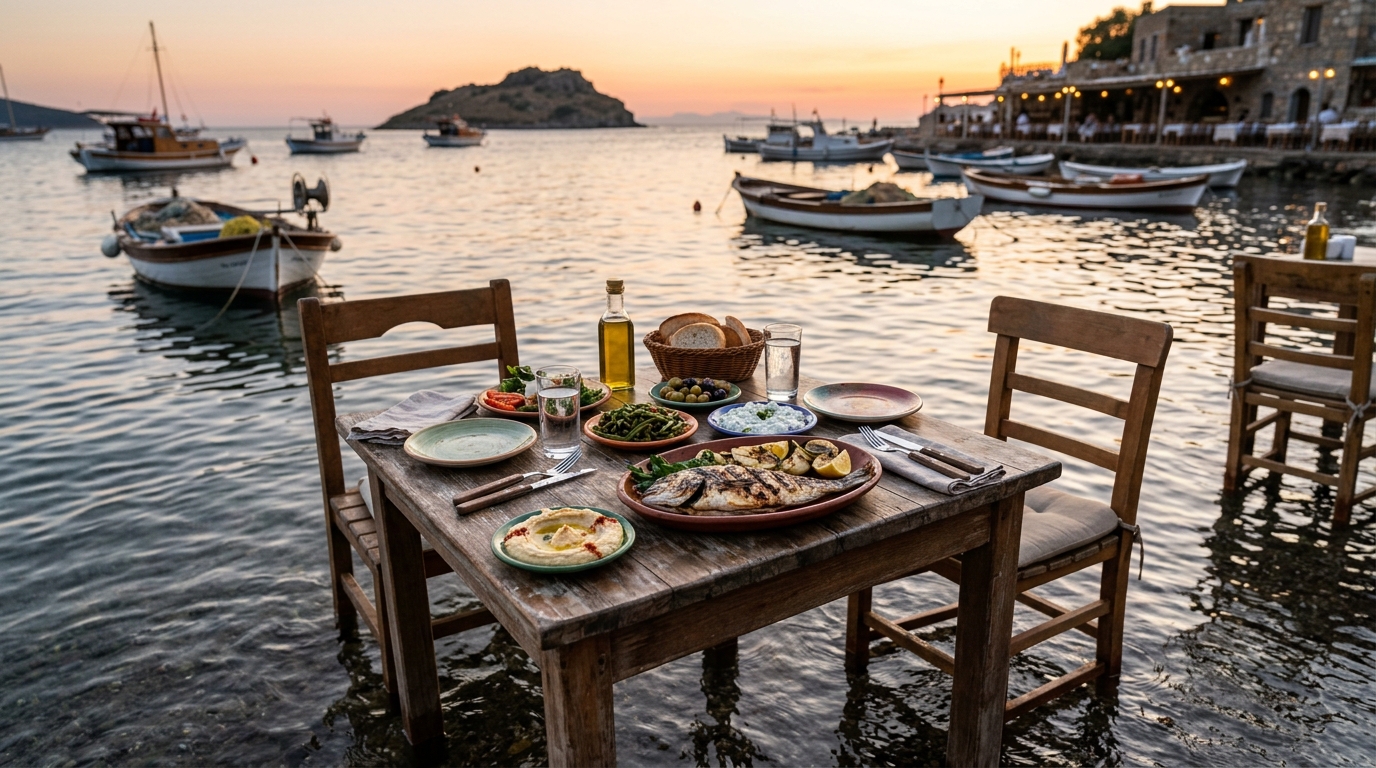
Best Restaurants in Bodrum: A Local's Table Guide
Bodrum's dining scene ranges from plastic-chair fish shacks in fishing villages to Michelin-starred tasting menus twenty minutes away. This guide maps the peninsula's best restaurants by mood and neighborhood, the way locals actually think about eating out.
Read More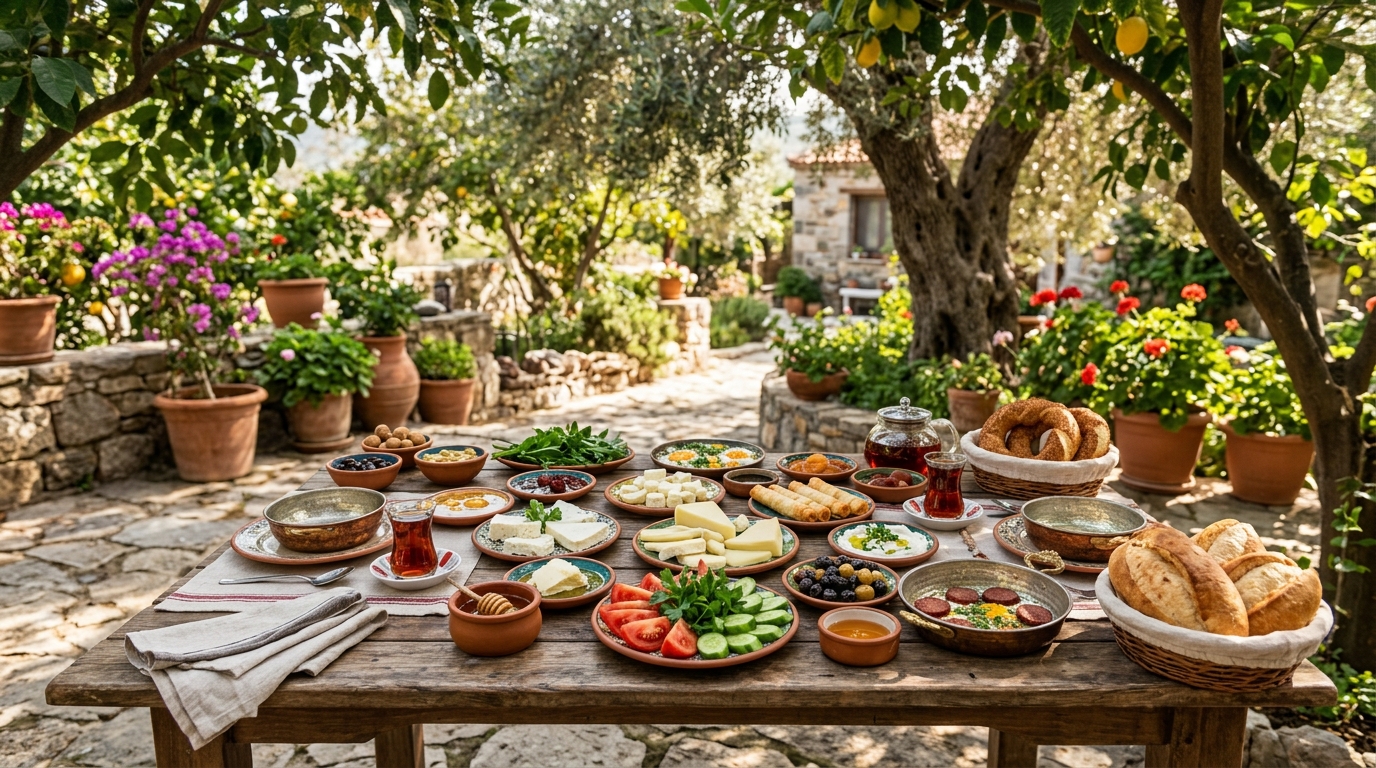
Best Breakfast in Bodrum: A Local's Kahvaltı Guide
Breakfast in Bodrum is a slow, shared ritual rather than a quick meal, with dozens of small plates spread across the table. From orchard gardens in Bitez to village farmhouses inland and marina-side cafés in town, here's a local's guide to the peninsula's best kahvaltı spots.
Read More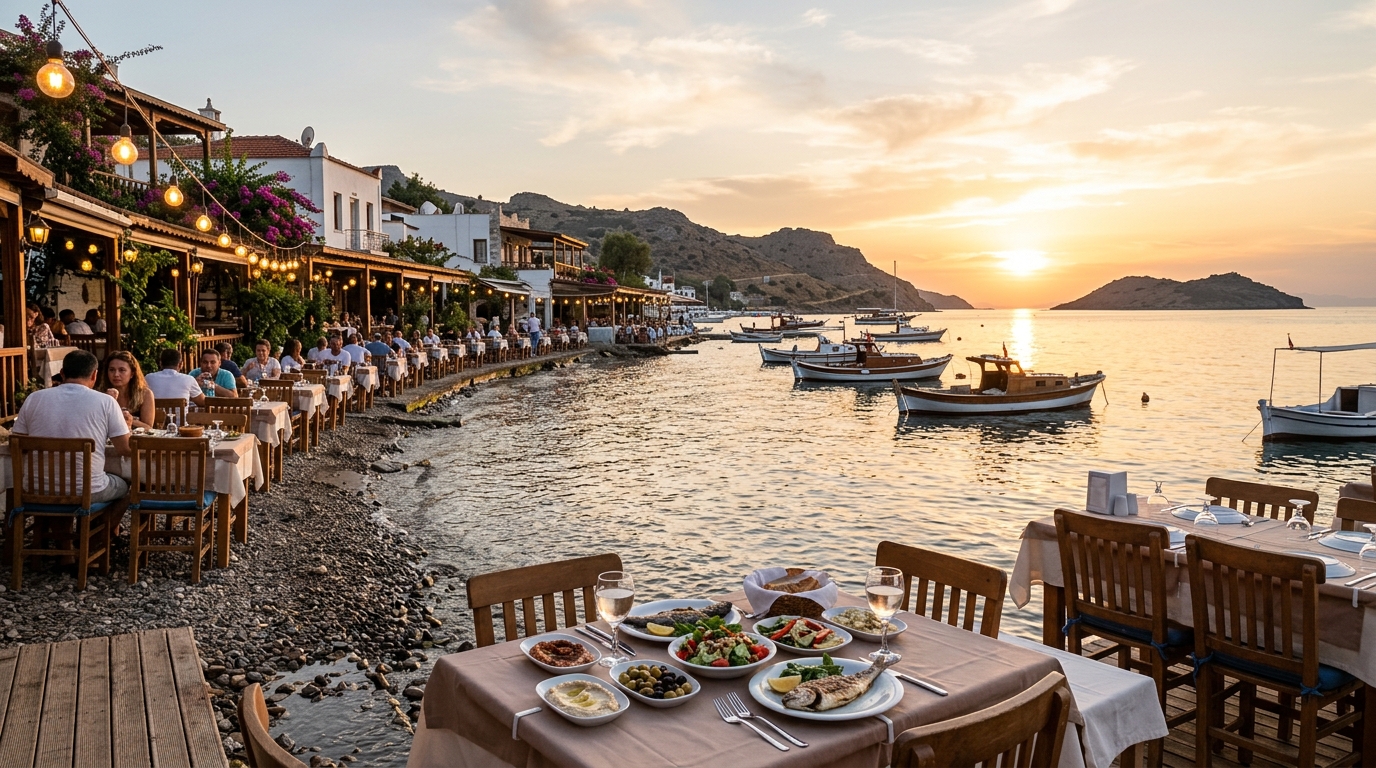
Where to Eat Fish in Gümüşlük: A Local's Guide
Gümüşlük's identity is built around the sea, and its restaurants prove it every evening. Here's a local's guide to the peninsula's favorite fishing village, from waterfront classics to budget-friendly alternatives.
Read More