
Turgutreis Saturday Market: A Local's Guide to Bodrum
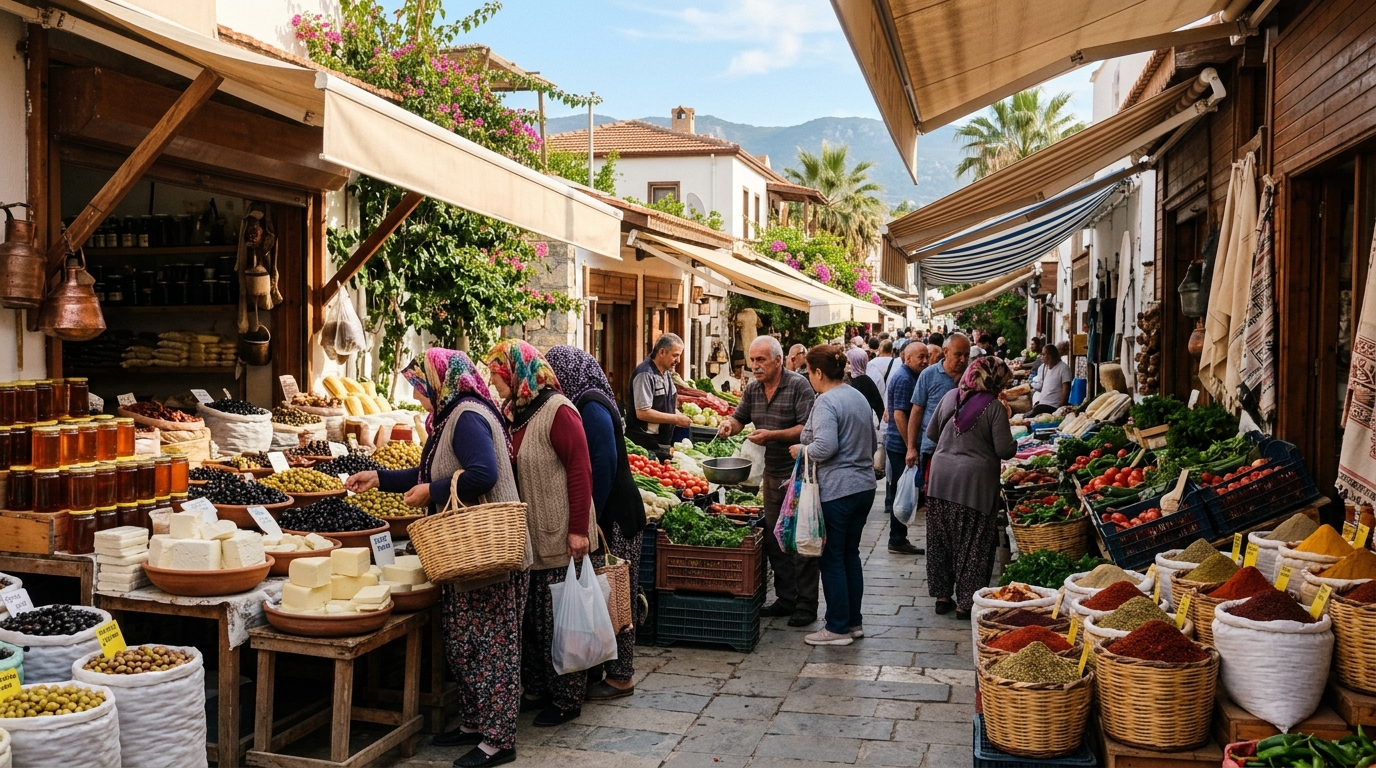
Turgutreis's Saturday market is the Bodrum Peninsula's biggest and most authentic weekly bazaar, split into a bustling food section and a lively textile market. Here's a local's guide to navigating both halves, getting there, and shopping like a regular.
If you only have time for one open-air market on the Bodrum Peninsula, most locals will point you toward Turgutreis on a Saturday. This isn't a curated tourist bazaar dressed up for cruise-ship crowds — it's a working weekly market where villagers from Milas, Mumcular and the surrounding countryside bring what they've grown, made or raised, and where Bodrum families do their actual weekly shopping.
The market takes place every Saturday, and it is known as one of the biggest and most vibrant markets on the Bodrum peninsula.
Two Markets in One
The first thing to understand about Turgutreis's Saturday market is that it isn't one single sprawl of stalls — it's effectively split into two distinct sections a short walk apart. The market sets up in two stages: a textile section behind the central Migros store, and a produce market behind the old municipality building, where it's possible to find nearly everything straight from the producer.
This layout also matches what visitors report on the ground: the market runs on Saturday and is split into two, one which is food used mainly by locals, and one further back which sells clothes and bags, including decent quality branded items, with traders becoming less pushy the farther into the market you walk. If you're short on time, decide which half interests you more — food and produce, or clothing and household goods — and head there first, since crossing between the two takes a bit of walking.
What You'll Find in the Food Section
This is the part locals rave about. Turgutreis's produce market has a reputation for being especially strong on breakfast staples — the kind of spread you'd see on a proper Turkish kahvaltı table. The market set up in Turgutreis center on Saturdays is quite large, and it's probably the market with the most breakfast items for sale. Expect stalls piled with village cheeses, farm eggs, olives cured in half a dozen different styles, honey, and jars of homemade jam and pickles, alongside the usual seasonal fruit and vegetables trucked in fresh that morning.
Beyond breakfast goods, you'll find a wide variety of goods including fresh fruits and vegetables, local honey and olive oil, and street food vendors selling gözleme, simit, and çiğ köfte — useful to know if you get hungry halfway through browsing. Spice stalls are another highlight, with sacks of dried herbs, chili flakes, sumac and tea lined up in bright rows; the market has a huge selection of various clothing items, linen and spices, nuts and dried food as well, so this section does double duty for pantry shopping and gift-buying alike.
What You'll Find in the Textile and Goods Section
Behind the Migros, the mood shifts from grocery-run to full-on bazaar. This is where you'll find racks of clothing, bags, linens, towels and household textiles, plus stalls selling shoes, jewelry, leather goods and souvenirs. You can find handmade souvenirs, textiles, spices, ceramics, jewelry, Turkish carpets, and leather goods at competitive prices here, and it's genuinely one of the better places on the peninsula to pick up practical items like beach towels, cotton pyjamas or a spare bag for the flight home, rather than trinkets aimed purely at tourists.
Don't expect fixed prices in this section. Store owners will often quote a higher "tourist" price for their goods, so a bit of good-natured haggling is completely normal and even expected — it's part of the exchange rather than a confrontation. Walking a little farther into the market, away from the entrance, tends to bring calmer, less insistent selling, so it's worth pushing past the first few rows if the initial pace feels too intense.
Getting There
Turgutreis sits at the western tip of the peninsula, roughly 30-40 minutes from Bodrum's town center by road. The most convenient way to get there is by dolmuş from Bodrum's main bus station — they run frequently, are very affordable, and the journey takes about 30-40 minutes. If you're staying in Turgutreis itself or a nearby resort, the market sits close to the town's dolmuş stops, located right next to the dolmuş stands in the center of Turgutreis, making transport extremely convenient.
Once you're in town, both halves of the market are within easy walking distance of the seafront and the main square, so there's no need for a taxi once you've arrived. If you're arranging your own Airport Transfers or planning a day trip from one of the peninsula's Bodrum Hotels, it's easy enough to build a Saturday morning market visit into your itinerary.
When to Go
Like most Turkish semt pazarları, this one runs on the rhythm of a working morning market rather than tourist opening hours. The market sets up every Saturday, welcoming visitors from early morning, with stalls generally appearing around 7-8am and staying open until the late afternoon. Arriving earlier rather than later has real advantages: going in the morning hours helps you find fresher products and also lets you get ahead of the crowds a little. By midday in high season, the lanes between stalls can get genuinely packed, especially in the textile section, so if you dislike crowds, aim to arrive not long after the vendors have set up.
That said, if bargain-hunting is your priority rather than freshness, some shoppers find that prices soften a little later in the day as vendors look to move remaining stock before packing up — a trade-off worth weighing against the picked-over selection you'll find by then.
Quick Facts
| Detail | Information |
|---|---|
| Market day | Every Saturday |
| Typical hours | Around 7-8am until late afternoon |
| Location | Two sections: behind Migros (textiles) and behind the old municipality building (produce) |
| Getting there | Dolmuş from Bodrum's main bus station, roughly 30-40 minutes |
| Payment | Cash (Turkish lira) preferred; some stalls accept cards or foreign currency |
Practical Tips
Bring cash. While a few larger stalls in the goods section may take cards, the market runs overwhelmingly on cash, and it's best to carry Turkish lira in cash, since some stalls accept credit cards, but foreign currency is also accepted by some vendors. Small notes make transactions faster and give you a stronger hand when negotiating.
Wear comfortable shoes and bring a tote bag or basket — the ground can be uneven in places, and produce sellers rarely offer sturdy bags of their own. Dress for sun exposure too, since much of the market is uncovered.
If you're not planning to buy, it helps to say so clearly and cheerfully rather than lingering silently at a stall, since sellers here are used to closing a sale quickly with visitors who show real interest. A polite "sadece bakıyorum" (just looking) goes a long way and is generally met with good humor.
Finally, treat this as a real neighborhood market rather than a performance for visitors. The producers here sell in Turgutreis every Saturday as part of a normal working week, and a little patience and friendliness — especially in the food section — tends to be rewarded with better recommendations, small tastings, and fresher picks set aside from under the table. If you want to round out a weekend on the peninsula, check the local Events calendar or browse Tours & Activities for more ways to explore beyond the market itself.
Frequently Asked Questions
Is the Turgutreis market only on Saturdays?
Yes — Saturday is the main market day, and it's when the full range of produce, textiles and goods stalls are set up. Some permanent shops around the market area stay open through the week, but the open-air bazaar itself is a Saturday event.
Is entry free, and how does pricing work?
There's no entrance fee — you simply pay for whatever you buy. Prices in the clothing and souvenir section are often set with some room for negotiation, while the food and produce stalls tend to have more fixed, straightforward pricing.
Can I pay in euros or dollars instead of Turkish lira?
Some vendors, particularly in the goods section, will accept foreign currency, but you'll generally get a fairer deal and smoother transactions using Turkish lira in cash, since that's what most stallholders expect and calculate prices in.
How do I get to the market without a car?
A dolmuş (shared minibus) from Bodrum's main bus station is the easiest option, taking roughly 30-40 minutes and dropping you close to the market area, since the stalls are set up near Turgutreis's central dolmuş stops.
What should I prioritize if I only have an hour?
Head to the produce section first for fresh cheese, olives, honey and spices if food is your main interest, or the textile area behind the Migros if you're after clothing, textiles or souvenirs — trying to cover both thoroughly in under an hour is tough given how the market is spread across two areas.
İlgili Yazılar
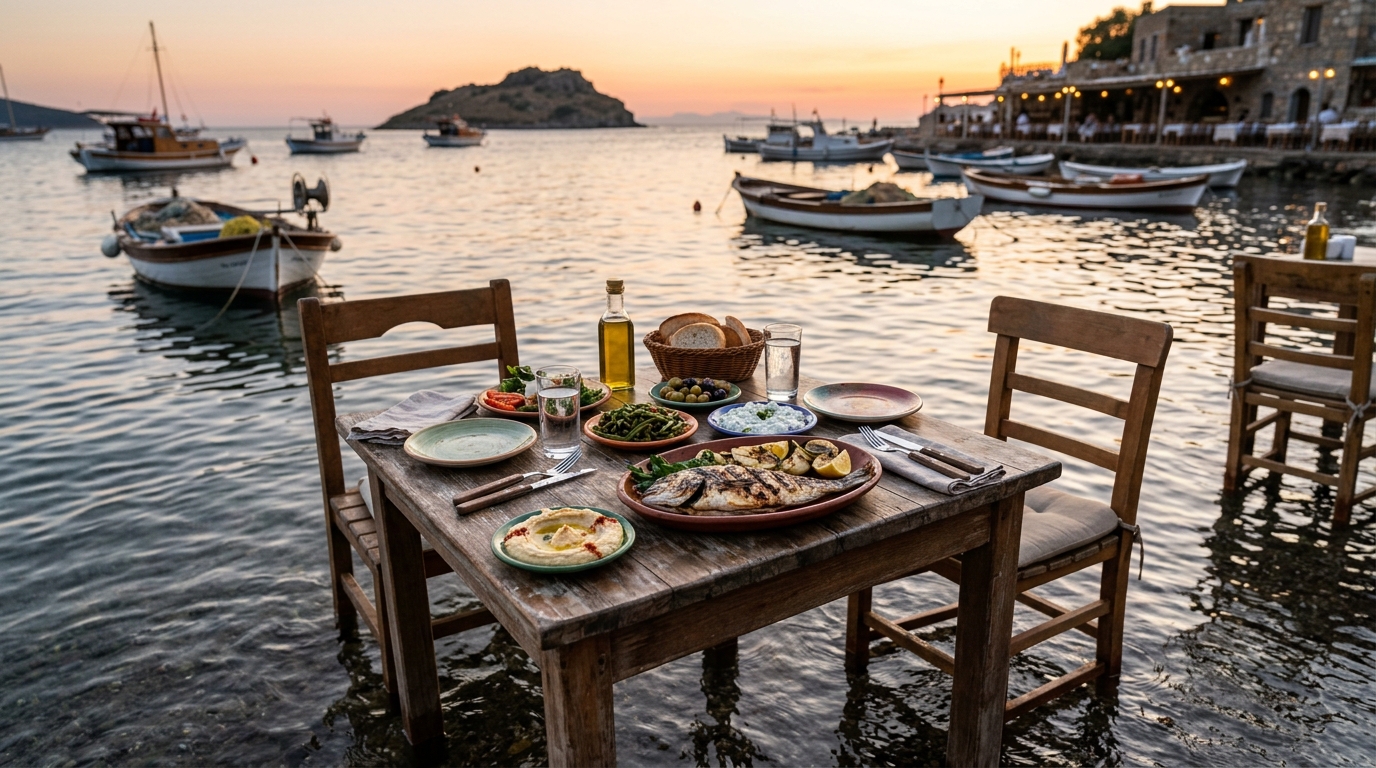
Best Restaurants in Bodrum: A Local's Table Guide
Bodrum's dining scene ranges from plastic-chair fish shacks in fishing villages to Michelin-starred tasting menus twenty minutes away. This guide maps the peninsula's best restaurants by mood and neighborhood, the way locals actually think about eating out.
Read More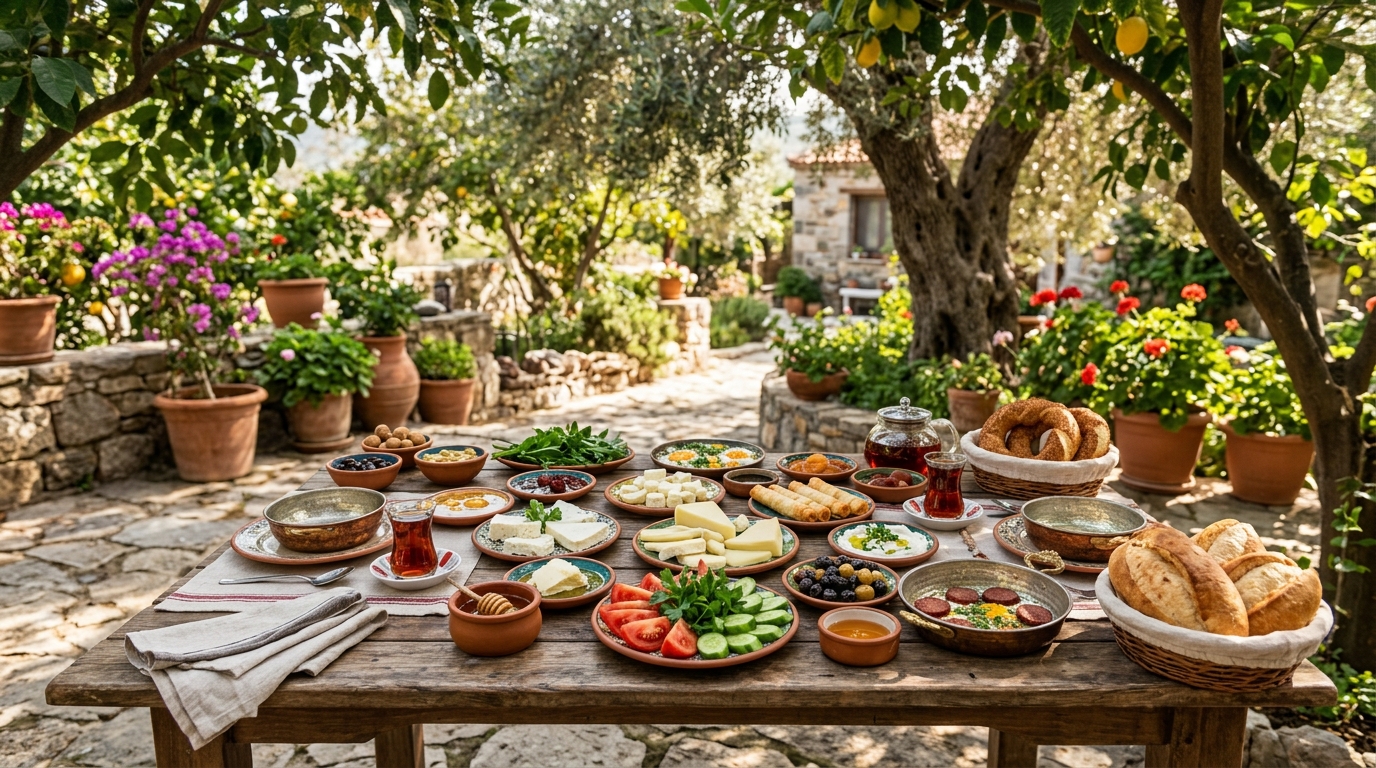
Best Breakfast in Bodrum: A Local's Kahvaltı Guide
Breakfast in Bodrum is a slow, shared ritual rather than a quick meal, with dozens of small plates spread across the table. From orchard gardens in Bitez to village farmhouses inland and marina-side cafés in town, here's a local's guide to the peninsula's best kahvaltı spots.
Read More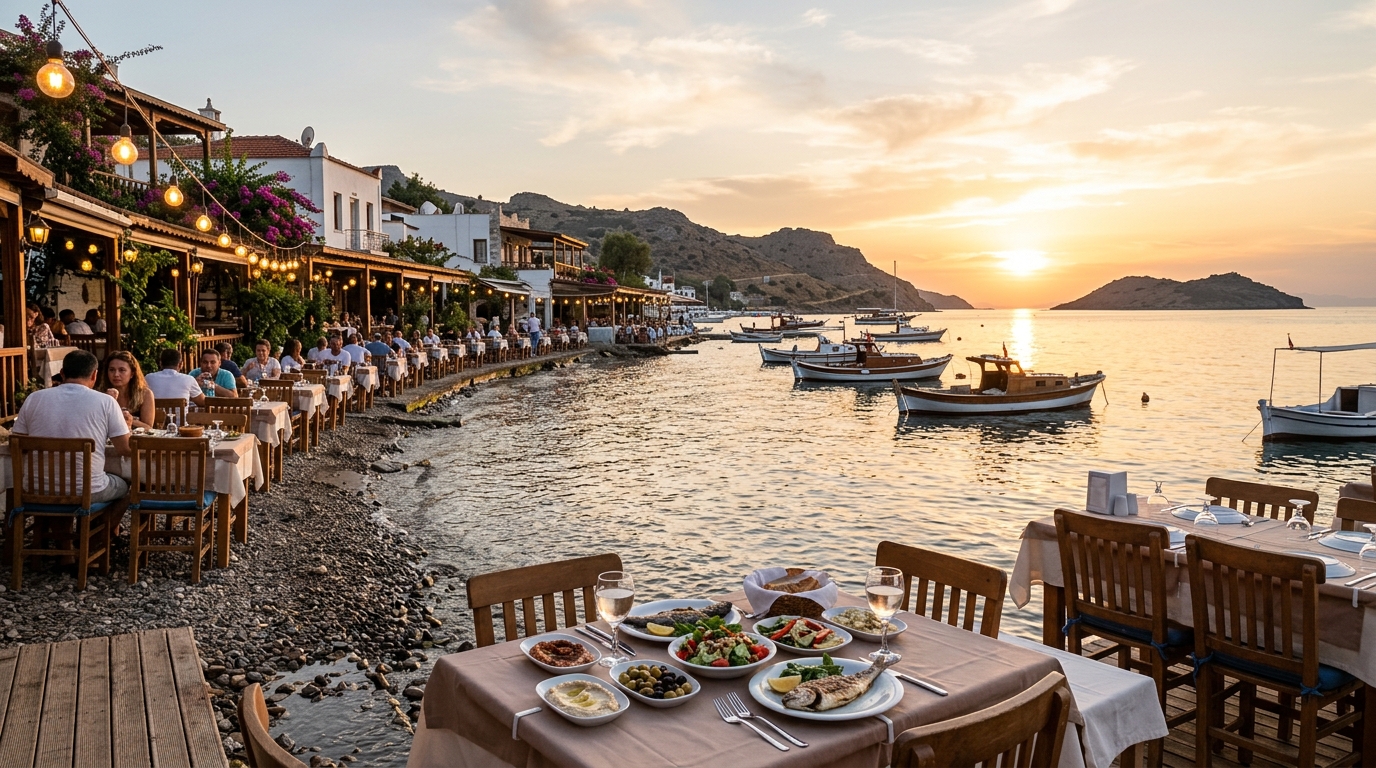
Where to Eat Fish in Gümüşlük: A Local's Guide
Gümüşlük's identity is built around the sea, and its restaurants prove it every evening. Here's a local's guide to the peninsula's favorite fishing village, from waterfront classics to budget-friendly alternatives.
Read More