
Zeki Müren Art Museum: Bodrum Visitor's Guide
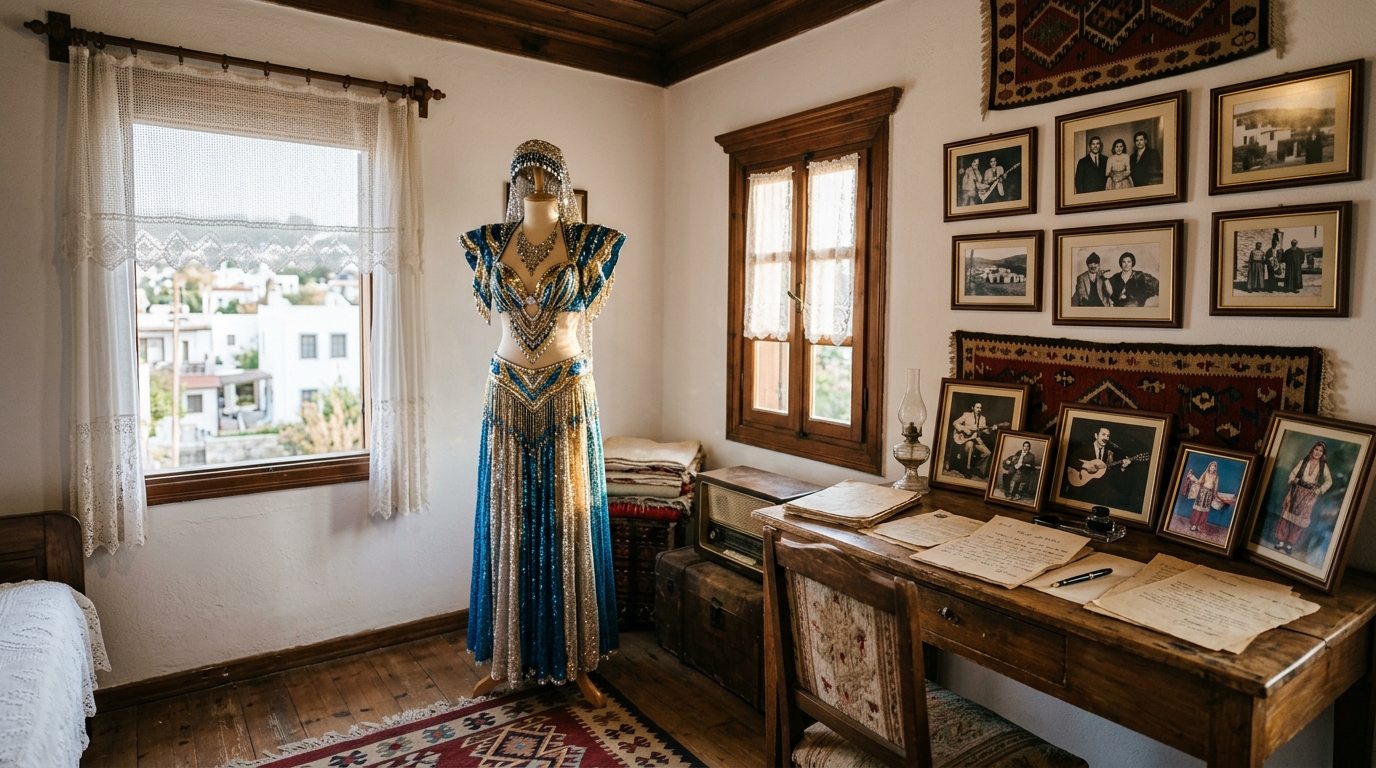
Tucked in Bodrum's Kumbahçe neighborhood, the Zeki Müren Art Museum preserves the home of Turkey's beloved 'Sun of Art.' Here's what to expect inside, how to get there, and how to pair it with the rest of central Bodrum.
Tucked into a quiet corner of Bodrum's Kumbahçe neighborhood, a modest two-story house holds one of the most personal museum experiences on the entire peninsula. This was home to Zeki Müren, the singer, composer, actor and poet the Turkish public still calls "Sanat Güneşi" — the Sun of Art. For anyone curious about Turkish classical music, mid-century celebrity culture, or simply looking for a change of pace from beach clubs and boat tours, this small museum rewards an unhurried hour of your time.
Who Was Zeki Müren, and Why Does Bodrum Matter to His Story
Zeki Müren was born on 6 December 1931 in Bursa and is regarded as one of the most significant figures in classical Turkish music, awarded the title of State Artist in 1991 and the first Golden Record Award in Turkey. His career spanned radio, film, and stage, and he became known as much for his flamboyant costumes and stage presence as for his voice. Bodrum entered his life in the early 1980s: he lived in this two-storey house in Bodrum from 1980 until his death in 1996. Those final sixteen years by the Aegean gave him a second identity — the reclusive artist who chose the peninsula's slower rhythm over Istanbul's spotlight, and locals still speak of him with real affection rather than just celebrity nostalgia.
From Private Home to Public Museum
After his death, the house didn't simply become a shrine — it became an official cultural institution. It was restored and turned into a museum by the Ministry of Culture and opened to visitors in 2000, with the formal opening on 8 July of that year. What makes the layout distinctive is the decision to preserve rather than redesign: the lower floor of the house is decorated in the original way as the artist lived, and the upper floor is organised as a museum. That distinction matters once you're inside — downstairs feels like stepping into someone's actual living room and kitchen, while upstairs shifts into a more conventional exhibition space.
What You'll Actually See Inside
The collection is intimate rather than grand, and that's precisely its appeal. Inside, visitors can wander through personal rooms like his living room, bedroom and kitchen, filled with his personal belongings, handwritten letters, and artworks, while upstairs holds his stage costumes, awards, paintings, and memorabilia. The costume collection is often the highlight for visitors, since Müren was famous for elaborate, self-designed stagewear. Many of the costumes displayed carry names he gave them personally, along with patterns he sketched himself, filling every room of the museum.
Beyond the fabric and sequins, the smaller personal items are what tend to stay with visitors longest — his jewelry, glasses, and accessories sit alongside handwritten song lyrics and compositions. Upstairs, wooden stairs lead visitors to a room filled with letters from fans, a reminder of just how devoted his following was during his lifetime.
Step out into the garden and the tribute continues outdoors. In the garden, visitors can see Zeki Müren's car and a bronze statue of him holding a microphone. Several accounts describe his music playing softly through the grounds during visits, which gives the whole experience a warmth that a typical glass-case museum rarely achieves.
Practical Details: Location, Hours, and Getting There
The museum sits at Kumbahçe Mahallesi, Zeki Müren Caddesi No:11, 48400 Bodrum/Muğla, in the Kumbahçe district close to Bodrum's town center. It's easy to reach without a car: you can walk to the museum from Bodrum Beach in about five minutes, or head there from the cruise port, about a 10-minute walk. If you're coming from the marina area, it's a similarly short stroll, and taxis or the local dolmuş minibuses will drop you close to the entrance if you'd rather not walk in the midday heat.
On days and hours: the museum is open year-round, typically every day except Mondays, and it's worth knowing that the museum's hours vary between the high and low seasons (April-October and November-March, respectively). Because seasonal opening and closing times shift from year to year, it's best to check the current schedule shortly before your visit rather than rely on hours quoted online, including this article. As a state-run institution under the Ministry of Culture and Tourism, the museum also honors Turkey's MüzeKart program for citizens, and admission for international visitors is set at a modest, affordable rate — don't expect to need much cash for entry.
Plan for a fairly short visit: visiting takes about 45 minutes to an hour, depending on how thoroughly you explore. That makes it easy to pair with other central Bodrum sights on the same outing, especially if you've booked one of the Bodrum Hotels nearby.
A Few Things Worth Knowing Before You Go
This is a preserved historic home rather than a purpose-built exhibition hall, so come with the right expectations. The museum's exhibitions are mostly in Turkish, so it's worth visiting with a guide if you want to learn more about Zeki Müren — or do a little reading beforehand, since English-language signage is limited. There's a small café and shop on-site, but no restrooms, so plan accordingly, especially if you're visiting with children. Because the house retains its original structure with narrow stairways and doorways, mobility-impaired visitors and those with strollers should inquire about accessibility before arriving, as facilities in older preserved homes can be limited.
Making the Most of a Kumbahçe Afternoon
The museum pairs naturally with the rest of central Bodrum. Combine a visit to the museum with other popular sights, such as Bodrum Castle and the Mausoleum of Halicarnassus. Both are an easy walk away, and the Kumbahçe neighborhood itself is worth lingering in — it's quieter than the marina strip, with small cafés where you can sit with a Turkish coffee and let the visit settle before heading back toward the beach or bazaar. If you'd rather explore with a local guide, several Tours & Activities around town include cultural stops like this one, and checking the calendar of local Events can add another layer to your visit. Many visitors find that spending a slow morning here, followed by lunch in one of the neighborhood's family-run restaurants, gives a more textured sense of Bodrum than the yacht-and-nightlife image the town is often marketed with.
For fans of Turkish music history, or for travelers who simply enjoy the small, human-scale museums that larger cities rarely preserve, the Zeki Müren Art Museum offers something genuinely rare: a chance to stand in the actual rooms where a beloved public figure lived out his private life, surrounded by the objects he chose and the costumes he designed himself.
Frequently Asked Questions
Is the Zeki Müren Art Museum still open to visitors?
Yes, it remains an active, government-run museum. It was restored and turned into a museum by the Ministry of Culture and opened to visitors in 2000, and continues to operate today under the Ministry of Culture and Tourism.
What days is the museum closed?
The museum is open year-round, typically every day except Mondays. Hours shift between summer and winter seasons, so confirm the current schedule shortly before you go.
How long should I plan for a visit?
Most visitors need about 45 minutes to an hour, depending on how thoroughly you explore. It's compact enough to combine with a walk through Kumbahçe or a visit to Bodrum Castle the same day.
Is the museum accessible on foot from central Bodrum?
Very much so. You can walk to the museum from Bodrum Beach in about five minutes, or head there from the cruise port, about a 10-minute walk. Taxis and local minibuses also serve the Kumbahçe area directly, and pre-arranged Airport Transfers can drop you nearby if you're arriving straight from the airport.
Are the exhibits explained in English?
Not extensively. The museum's exhibitions are mostly in Turkish, so it's worth visiting with a guide if you want to learn more about Zeki Müren. Reading up on his life beforehand will make the visit considerably richer if you don't have a Turkish-speaking guide.
İlgili Yazılar
Best Restaurants in Bodrum: A Local's Table Guide
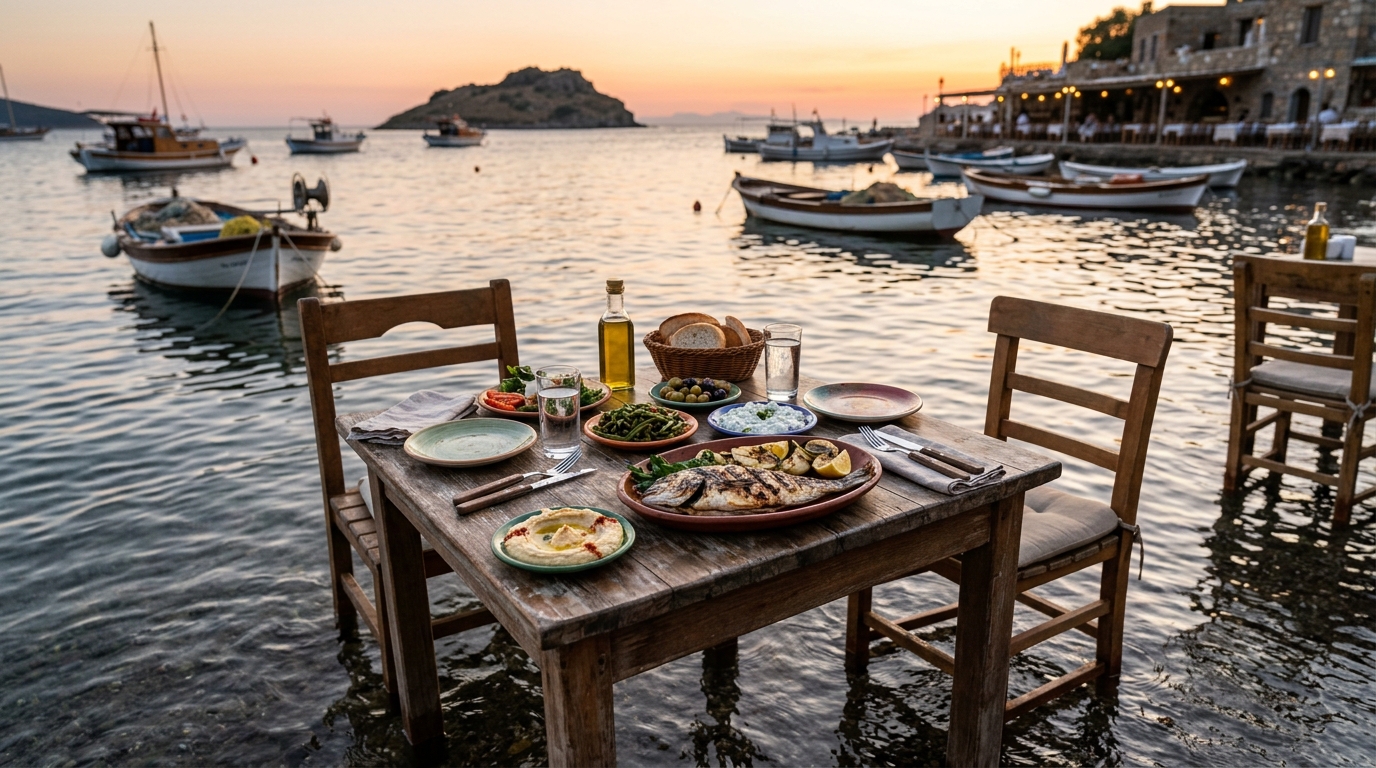
Bodrum's dining scene ranges from plastic-chair fish shacks in fishing villages to Michelin-starred tasting menus twenty minutes away. This guide maps the peninsula's best restaurants by mood and neighborhood, the way locals actually think about eating out.
Read More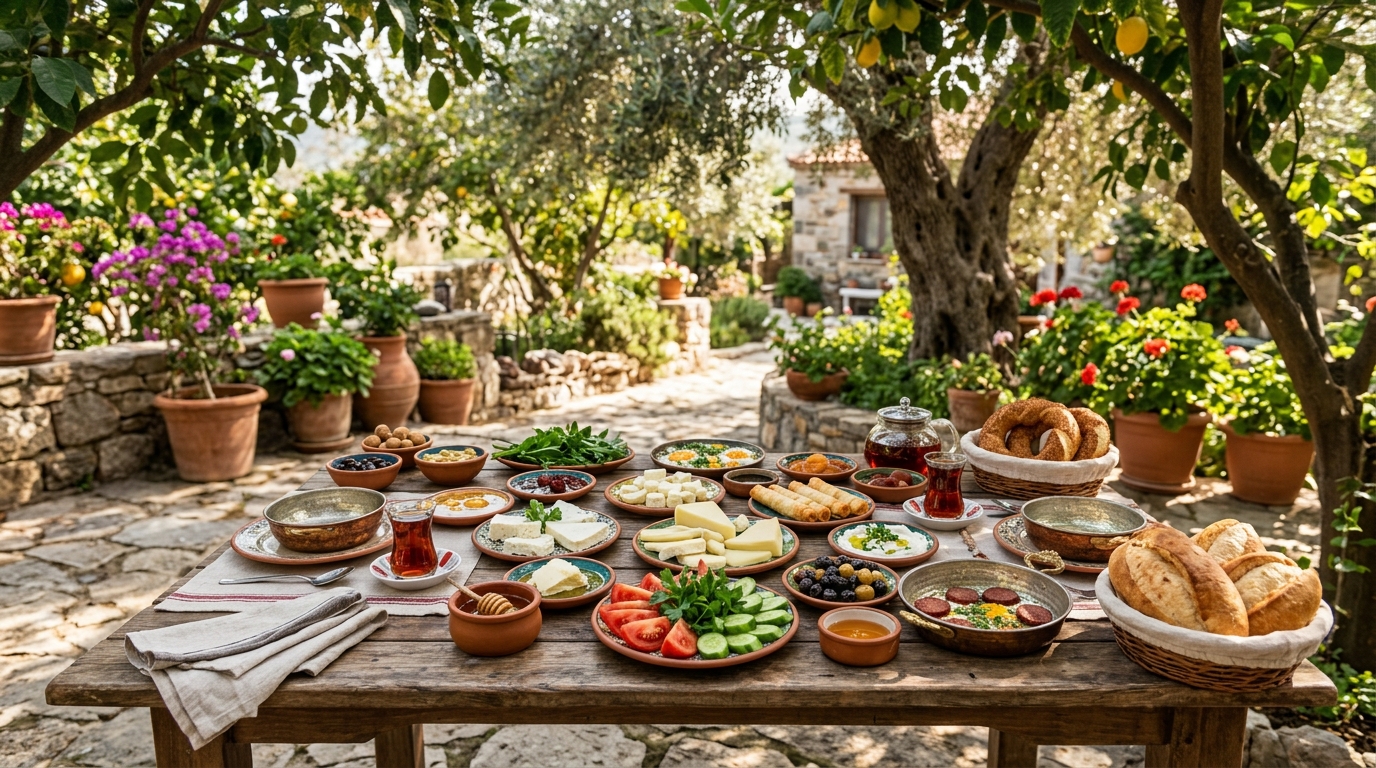
Best Breakfast in Bodrum: A Local's Kahvaltı Guide
Breakfast in Bodrum is a slow, shared ritual rather than a quick meal, with dozens of small plates spread across the table. From orchard gardens in Bitez to village farmhouses inland and marina-side cafés in town, here's a local's guide to the peninsula's best kahvaltı spots.
Read More
Where to Eat Fish in Gümüşlük: A Local's Guide
Gümüşlük's identity is built around the sea, and its restaurants prove it every evening. Here's a local's guide to the peninsula's favorite fishing village, from waterfront classics to budget-friendly alternatives.
Read More